What NOG Energy Week 2026 Signals for the Future of Asset Integrity in Africa
7 minute read · HPG Engineering
Africa's energy sector is entering a decisive phase of growth, driven by renewed investment, policy reform, and expanding infrastructure across oil, gas, power, and emerging energy systems.
At the centre of this transformation is NOG Energy Week — one of the continent's most influential industry platforms.
The Technical Seminar programme provides a clear indication of where the industry is heading. For the full event overview, see the NOG Energy Week 2026 brochure.
With technical content spanning the full energy value chain and focused on innovation, advanced technologies, and best practices, the direction is unmistakable: the future of energy in Africa will be driven by technology — but sustained by asset integrity.

Key Technical Themes Shaping the Industry
The Technical Seminar reflects a broad and integrated view of the energy system, covering: oil and gas production technologies; gas and LNG systems; power generation and integration; digital innovation and emerging technologies; HSSE (Health, Safety, Security & Environment); and transitional and new energy systems.
These themes point to a critical shift: infrastructure is becoming more complex, more connected, and more performance-driven.
The Hidden Gap: Asset Integrity in a Technology-Led Industry
While innovation is accelerating, a key risk emerges: asset integrity is not advancing at the same pace as technology adoption.
Across many African energy assets, structural systems are treated as static, inspection remains reactive, and lifecycle performance is not fully understood. This creates a disconnect between advanced operational systems and the underlying physical infrastructure.
Corrosion: A Persistent and Growing Risk
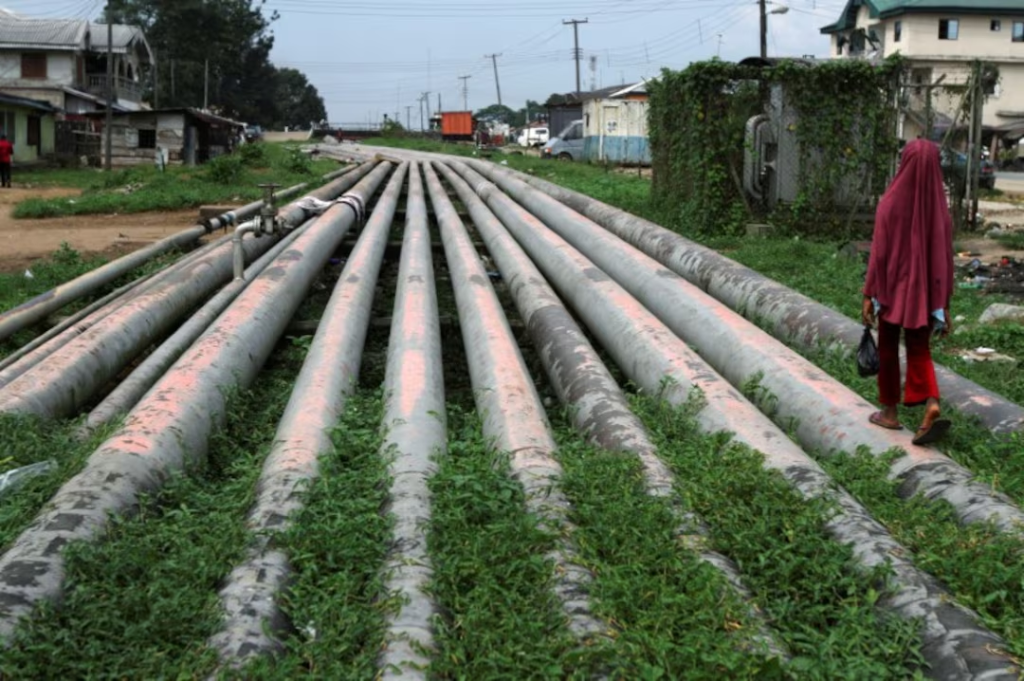
Across offshore, gas, and processing infrastructure, corrosion remains one of the most significant threats. Operating conditions across Africa — including high humidity, marine exposure, and elevated temperatures — accelerate material degradation, loss of structural capacity, and increased maintenance costs.
As infrastructure expands into coastal LNG facilities, offshore developments, and gas processing hubs, corrosion management becomes a strategic priority, not just a maintenance activity.
From HSSE to Structural Risk Awareness
The strong emphasis on HSSE reflects growing awareness of safety and operational risk. However, structural integrity is often underrepresented within these frameworks.
In reality, structural degradation is a leading contributor to major failures. Risks develop gradually and can go unnoticed, with failures often occurring after prolonged deterioration. Integrating structural integrity into HSSE frameworks is essential to improve safety outcomes, reduce incident risk, and enhance operational resilience.
The Shift Toward Risk-Based Inspection (RBI)
Traditional inspection approaches are often time-based, broad in scope, and resource-intensive. The industry is increasingly adopting Risk-Based Inspection (RBI), which enables focus on critical components, efficient allocation of inspection resources, and a better understanding of failure risk.
A Key Insight for Nigeria
For many Nigerian operators, the priority is clear: deliver maximum value with minimal cost. This is where RBI becomes particularly powerful.
Instead of increasing inspection scope, RBI allows operators to target high-risk areas only, reduce unnecessary inspection activity, and achieve significant risk reduction with lower cost. Low-cost interventions with high impact — this aligns directly with the commercial realities of many indigenous operators.
Digital Innovation Meets Physical Infrastructure
Digital innovation is a major focus area across the industry, including data platforms, monitoring systems, and automation. However, the true value of digital transformation lies in how it is applied to physical assets.
Digital twins are a key enabler. They provide real-time visibility of asset condition, integration of inspection and operational data, and predictive insights into degradation. For operators, this enables a shift from reactive maintenance to predictive, data-driven management.
Cost-Effective Digital Adoption
Importantly, digital twins do not need to be complex or expensive to deliver value. Even targeted implementations can highlight critical risk areas, improve inspection planning, and support better decision-making — again aligning with the need for practical, cost-effective solutions with measurable gains.
Technology Alone Is Not Enough
While the industry is embracing innovation, a key risk remains: technology without integrity creates hidden vulnerabilities. Examples include increased loads on ageing structures, expansion without structural reassessment, and new systems layered onto existing infrastructure.
Without proper integrity management, performance improvements can introduce new risks and failures can occur in otherwise modern facilities.
Bridging the Gap: Lifecycle Integrity as a Core Strategy
To align with industry direction, asset integrity must evolve alongside technology. This requires embedding integrity at the design stage, implementing risk-based inspection strategies, monitoring degradation over time, and integrating digital tools with engineering expertise.
In essence: from design → operation → long-term performance assurance.
The Opportunity for Africa
Africa has a unique advantage: the ability to adopt modern infrastructure, the opportunity to integrate digital technologies early, and the chance to avoid legacy inefficiencies. This creates a powerful opportunity to develop infrastructure that is not only advanced — but resilient, efficient, and cost-effective across its lifecycle.
Conclusion
NOG Energy Week 2026 signals a clear direction for the industry: infrastructure is expanding, technology adoption is accelerating, and operational expectations are increasing.
But long-term success will depend on one critical factor: the ability to manage asset integrity in a practical, cost-effective, and risk-based manner.
For many operators — particularly in Nigeria — the winning approach will be targeted interventions that deliver maximum impact with minimal cost. Those who successfully combine innovation, engineering discipline, and commercial awareness will define the future of energy infrastructure in Africa.
About HPG Engineering
HPG Engineering provides specialist services in structural integrity management, risk-based inspection (RBI), corrosion and durability engineering, and digital twin integration — supporting operators in achieving safe, reliable, and cost-efficient asset performance.
Get in Touch
If you are developing or operating energy infrastructure in Africa, now is the time to adopt a smarter, risk-based approach to asset integrity. Contact HPG Engineering to discuss how we can support your asset lifecycle strategy.
Engineering Team, HPG Engineering
Structural Engineering · Asset Integrity · Offshore & Infrastructure Engineering
HPG Engineering is an engineering consultancy specializing in structural integrity management, offshore engineering, and infrastructure assessment. The team applies practical engineering expertise to support the safety, reliability, and long-term performance of critical assets across energy, marine, and industrial sectors.
This article is based on peer-reviewed research, engineering reports, and real-world structural failure case studies, ensuring a high level of technical accuracy and professional relevance.
🌐 hpgengineering.com